1 / 2
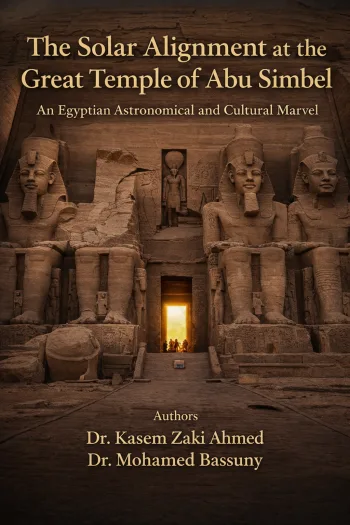
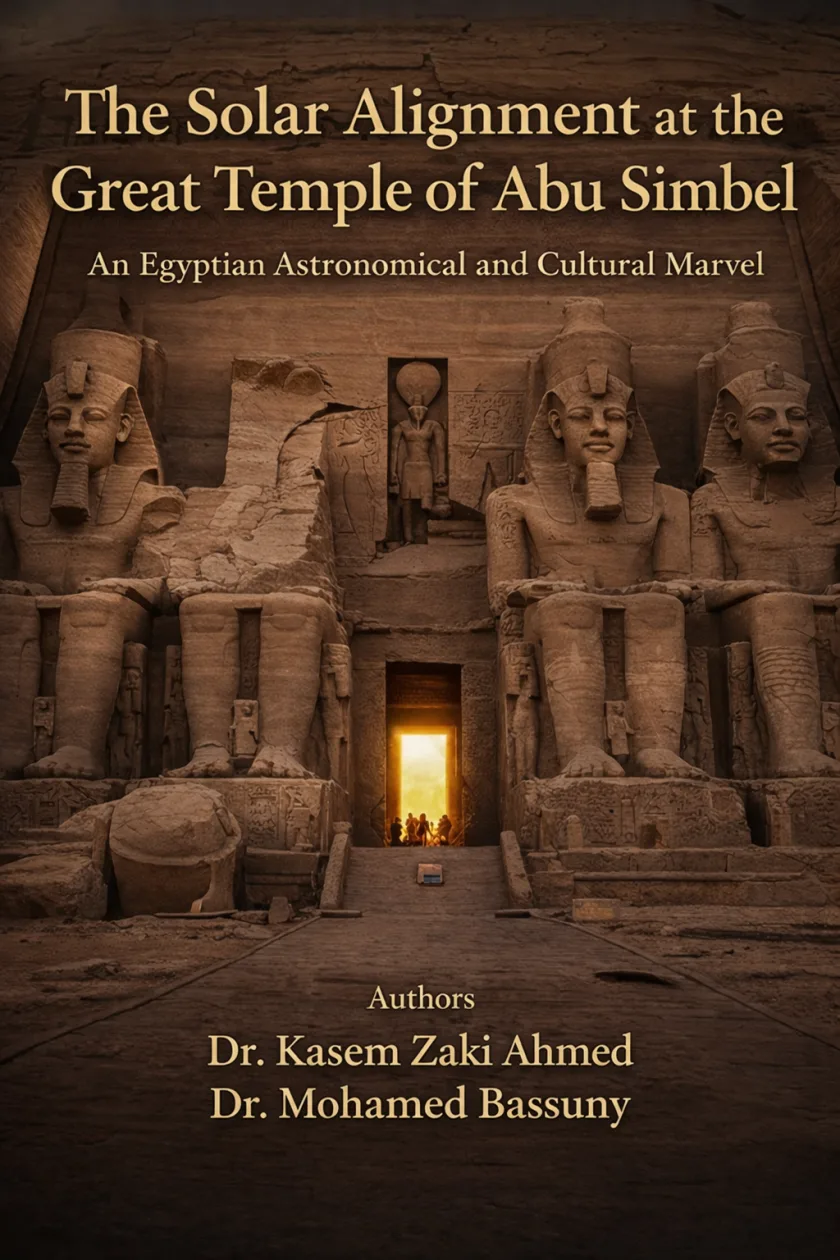
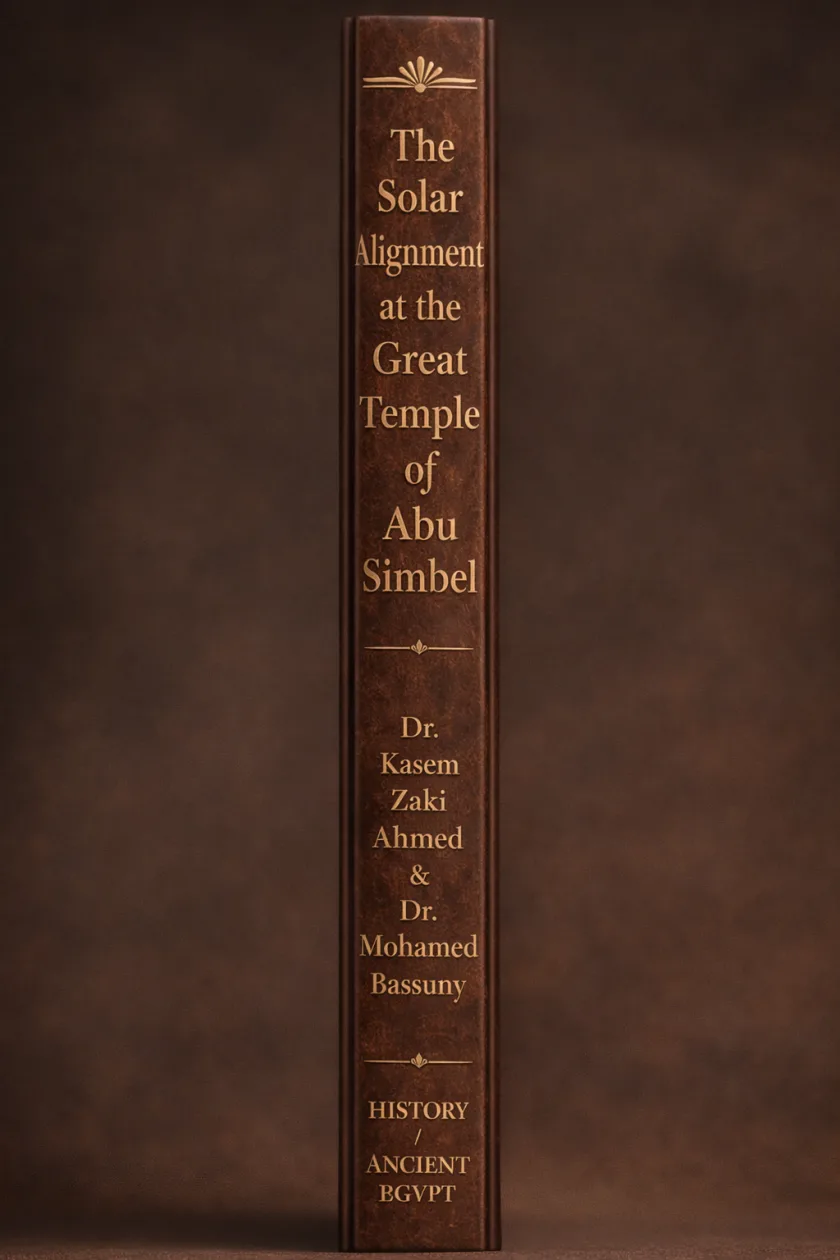
The Solar Alignment at the Great Temple of Abu Simbel
555 EGP
متوفّر
بنقرة يكون طلبك جاهز
يمكنك الآن شراء المنتج بسهولة بنقرة واحدة، بدون الحاجة لإنشاء حساب أو تسجيل دخول. املأ النموذج و سنتواصل معك في أقرب وقت.
-
The Great Temple of Abu Simbel stands among the most magnificent achievements of ancient Egyptian civilization—not only for its monumental architecture and artistic grandeur, but also for the remarkable solar alignment phenomenon that has fascinated scholars, travelers, and admirers of Egypt’s heritage for generations. This phenomenon, in which the rays of the rising sun penetrate the sanctuary of the temple on specific days of the year, is far more than a visual spectacle. It is a profound expression of the ancient Egyptian mastery of architecture, astronomy, symbolism, and sacred space.
This book seeks to explore the solar alignment at the Great Temple of Abu Simbel as an integrated historical, astronomical, cultural, and civilizational phenomenon. It does not approach the subject merely as a striking event repeated each year, but rather as a window into the intellectual and spiritual world of ancient Egypt—a world in which science, art, religion, and royal ideology were woven together with extraordinary precision.
The present edition represents the outcome of continued reflection, revision, and development across earlier Arabic editions of this work. While the third Arabic edition has served as the principal foundation for this English version, the present text also benefits from insights, refinements, and additions accumulated through the previous editions. In this sense, the book before the reader may be regarded as a mature and consolidated presentation of a subject that has remained close to the authors’ minds and hearts for many years.
Our interest in this topic stems from a deep conviction that the solar alignment at Abu Simbel is not merely an ancient architectural curiosity, nor simply a seasonal tourist attraction. It is, rather, a living testimony to the scientific imagination of the ancient Egyptians, their refined sense of cosmic order, and their astonishing ability to translate celestial observation into enduring stone. The phenomenon reveals how ancient Egyptian builders understood orientation, sunlight, sacred timing, and ceremonial meaning in ways that continue to inspire admiration in the modern world.
In preparing this book, we have sought to bring together historical evidence, archaeological interpretation, astronomical observation, and cultural reflection in a manner accessible to the general reader while remaining respectful of scholarly inquiry. We have also aimed to present Abu Simbel not in isolation, but within the broader context of Egyptian civilization, whose monuments continue to testify to humanity’s capacity for creativity, discipline, faith, and intellectual achievement.
This book is therefore an invitation: an invitation to look again at Abu Simbel—not only as a temple carved into the mountain, nor only as one of the masterpieces rescued in the modern age, but as a timeless meeting point of light, stone, kingship, belief, and knowledge. It is also an invitation to appreciate the deeper meanings that lie behind one of ancient Egypt’s most celebrated and enduring phenomena.
If this work succeeds in renewing appreciation for the grandeur of Abu Simbel, deepening understanding of the solar alignment phenomenon, and affirming the central place of ancient Egypt in the history of human civilization, then it will have fulfilled its purpose.
Dr. Kasem Zaki Ahmed (El-Minia, Egypt)
&
Dr. Mohamed Bassuny (Ottawa, Ontario, Canada)
22 February 2026